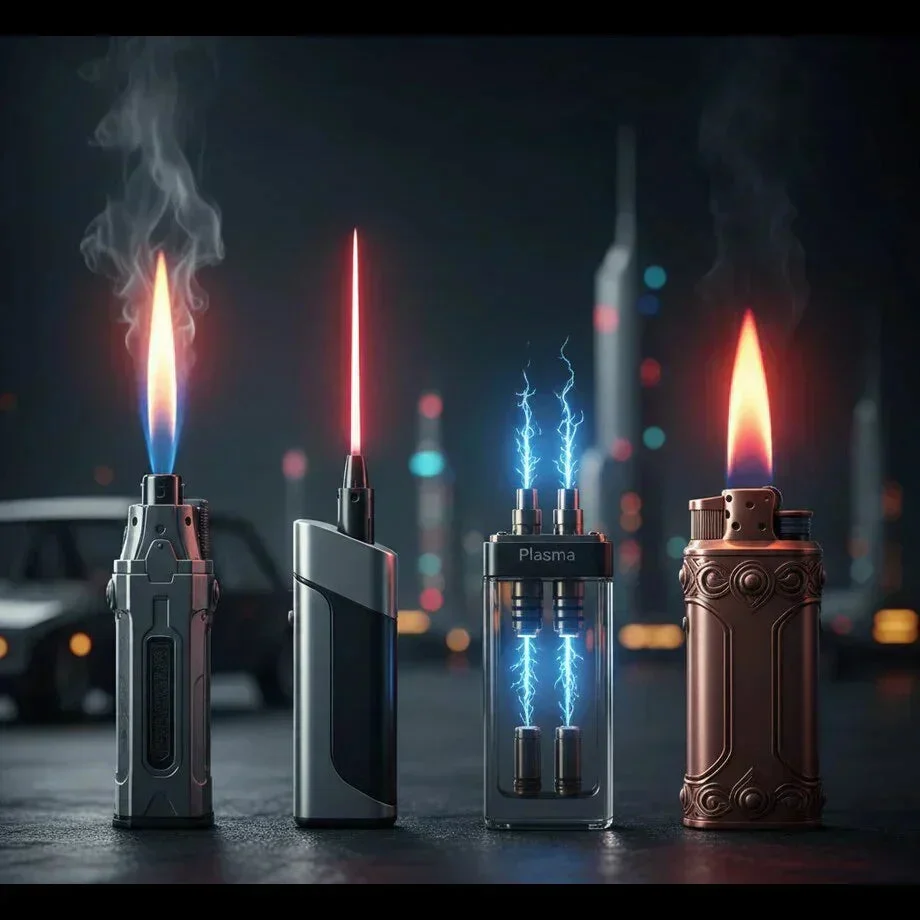
The best lighter is not simply the hottest or most stylish option. It should suit the materials you intend to light, the weather where you use it, how often you carry it, and the level of safety needed around children or pets. A compact lighter for occasional candles has different priorities from a wind-resistant model used outdoors. Before comparing finishes and brands, decide whether you want refillable or disposable fuel, a traditional flame or an electric arc, and a design that can be stored securely between uses.
Common Lighter Fuel Types Explained
Butane is the most versatile fuel for modern lighters. It powers ordinary soft-flame models as well as jet and torch designs, and a refillable butane lighter can be economical when used regularly. Look for refined butane and follow the manufacturer’s refill instructions; contaminated fuel can cause inconsistent ignition or clog small jets. Butane is highly flammable, so refilling should take place outdoors or in a well-ventilated area away from flames, sparks, and heat sources.
Liquid fuel is associated with the classic Oil Lighter format. A fuel-soaked wick produces a broad, familiar flame and can be relit repeatedly, but liquid fuel evaporates over time even when the lighter is not being used. That means an Oil Lighter may need periodic refilling and should be checked for leaks or a strong fuel odor before being carried in a pocket or bag. Keep spare fuel in its original container and never substitute an unapproved liquid.
Electric lighters use a rechargeable battery to create an arc rather than burning fuel. They avoid fuel evaporation and can be convenient for candles, fireplaces, and everyday tasks, although charging is necessary and performance depends on battery condition. An electric model is not automatically safer simply because it has no open flame. Its arc can still burn skin, ignite combustible material, or start a fire if used carelessly. Keep the charging port dry and use the supplied or approved charging equipment.
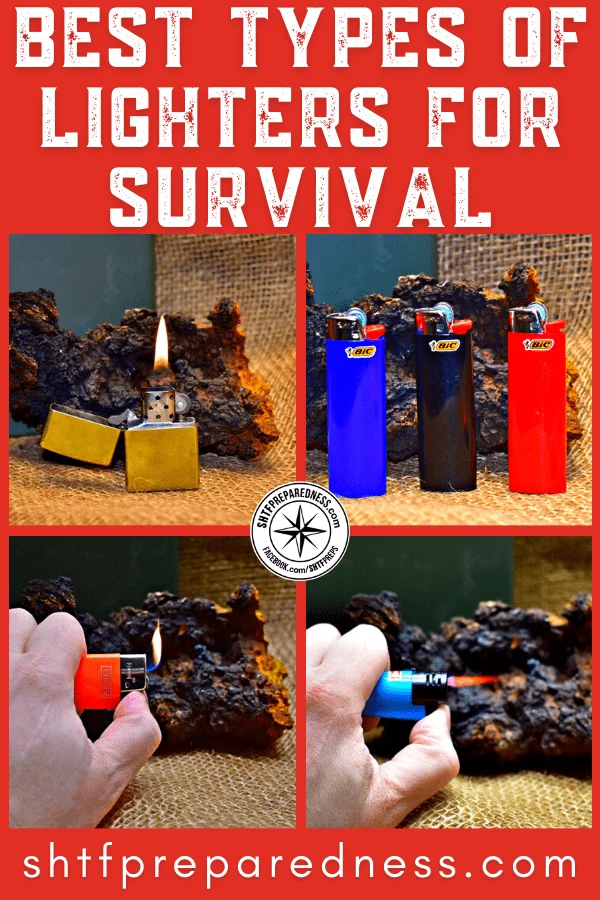
Disposable lighters are inexpensive and convenient for occasional use, especially when you do not want to maintain a refillable mechanism. Their drawback is limited service life and greater waste. A refillable model usually makes more sense for frequent use, while Disposable options can be practical for a temporary need or emergency kit. Whichever fuel system you select, inspect the lighter for cracks, damaged controls, or signs of leakage before using it.
Comparing Soft Flame, Torch, Electric, and Wick Lighters
Soft-flame lighters produce a gentle yellow flame that works well for candles, incense, fireplaces, and many ordinary lighting tasks. They are usually simple to operate and easy to see in dim conditions. Their weakness is wind: even a moderate breeze can extinguish the flame, and holding the lighter close to the target for too long can heat the surrounding housing.
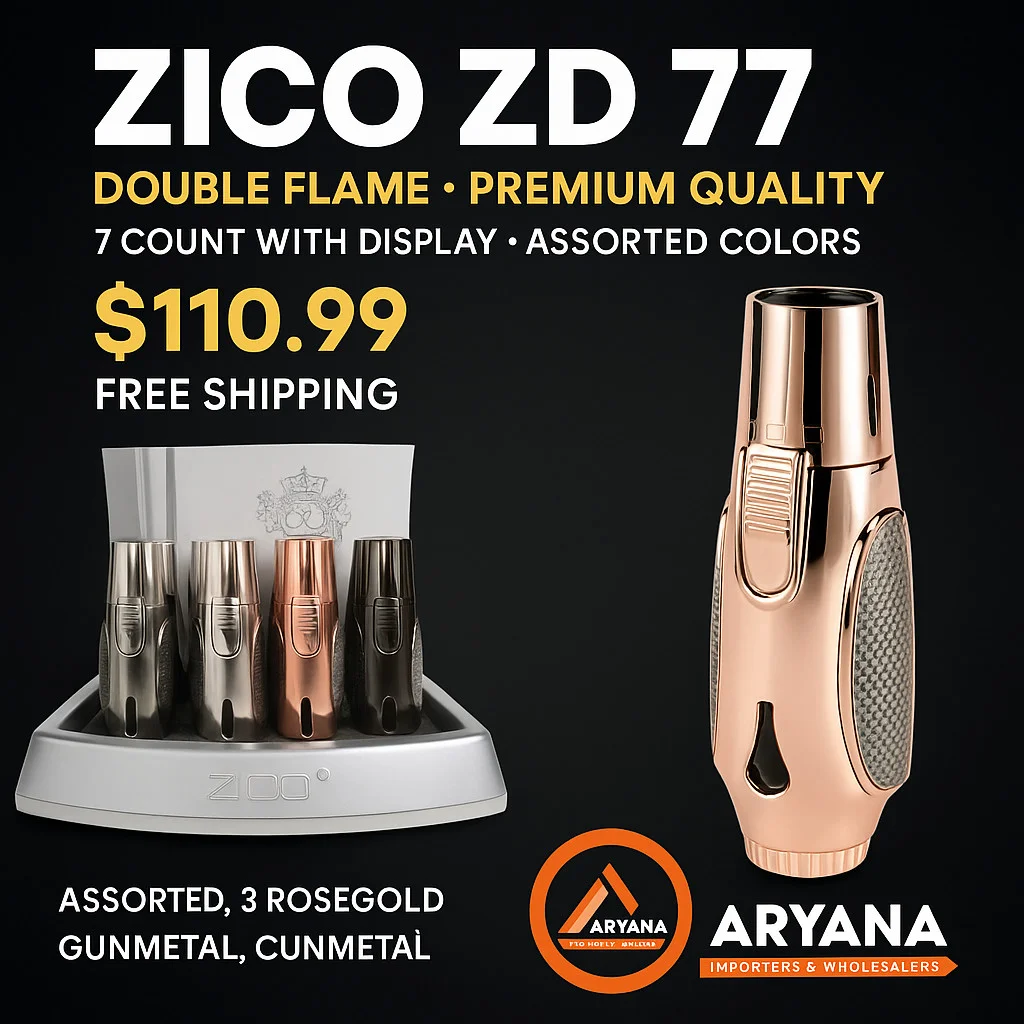
Torch lighters use a concentrated blue flame that burns hotter and resists wind better than a standard soft flame. A single jet suits precise lighting, while a double torch spreads heat across a wider area and can be useful for larger targets. The trade-off is fuel consumption and heat. Torch flames can damage delicate materials, scorch surfaces, and cause burns quickly, so they require more control and a clear area around the flame. They are not a universal upgrade over soft-flame designs.
Electric arc lighters are particularly useful where a conventional flame is awkward, such as deep candle jars or breezy outdoor settings. Many have flexible necks, a safety lock, and an automatic shutoff. However, the arc may not reach around thick wicks or bulky material as easily as a flame, and some models struggle when the battery is nearly empty. Check the ignition area for wax, ash, or debris and allow the device to cool after repeated use.
Wick lighters offer a familiar mechanical experience and can be durable when maintained correctly. Their flame is broad and visible, but the wick can become sooty, the fuel can evaporate, and the lighter may smell of fuel. They are best for users who do not mind occasional trimming, refilling, and cleaning. For a neat everyday setup, a slim lighter paired with a Cigarette Case can keep small essentials together, but the case should not be treated as a fuel-proof safety container.
Choosing the right Lighter for You
Key Features for Daily Carry and Home Use
For daily carry, size and control matter more than decorative finishes. A lighter should have a firm ignition button, a lid or cover that protects the ignition area, and a shape that will not activate accidentally in a pocket. A fuel-level window is helpful on refillable models, while a battery indicator matters on electric versions. A lanyard or clip can reduce the chance of misplacing a lighter, but it should never encourage carrying the device where it can be crushed or exposed to high heat.
For home use, prioritize reach and stability. A long-neck lighter can keep fingers farther from candles, grills, and fireplaces, while a broad base is less likely to tip when placed on a counter. A wind-resistant flame is useful outdoors, but do not use a lighter as a substitute for the correct ignition system on a gas appliance. If you are comparing a Newport model with another brand, assess the actual flame control, lock design, refill method, and replacement-fuel availability rather than choosing by appearance alone.
When reviewing a single catalog pick, compare it against your use case rather than treating the product as universally best. Its advantages may include a compact body, a familiar soft flame, and simple operation; its disadvantages may include weaker wind resistance, regular refilling, or fewer protective controls than a larger safety-focused model. A torch or electric alternative may solve one of those limitations while introducing higher heat, charging needs, or a more complex mechanism. This pros-and-cons approach is more useful than relying on a broad category label such as lighters 24, which may contain very different designs.
Child-Resistant and Safety Features
Recommended product
Use these catalog picks as a shortlist for lighter buying guide: fuel types, flame styles, and safety features. Compare measurements, materials, and return terms side by side instead of buying from a photo alone.

Child-resistant features are designed to make ignition more difficult for young children, not to make a lighter childproof. Look for a clearly marked safety lock, a protected ignition button, automatic shutoff, and a cover that prevents accidental activation. Some designs require two deliberate actions, such as releasing a lock before pressing the ignition control. These features can reduce risk, but they do not replace supervision or secure storage.
Keep every lighter out of sight and reach of children, including empty-looking models and electric units that still contain a charged battery. Do not leave a lighter beside a stove, radiator, sunny window, vehicle dashboard, or other hot location. After lighting a candle or grill, extinguish the flame completely and return the lighter to storage. If a lighter becomes hot, leaks, cracks, sparks unexpectedly, or develops a damaged switch, stop using it and dispose of it according to local hazardous-waste guidance.
How to Maintain and Store a Lighter Safely
Maintenance depends on the mechanism. Refillable butane models may need occasional nozzle cleaning and should be refilled only when cool and fully extinguished. Bleed or purge fuel only if the manufacturer specifically instructs you to do so, and keep the lighter away from ignition sources during the entire process. Wick models may need a fresh wick, light trimming, and removal of excess soot. Electric lighters should be kept dry, charged with compatible equipment, and checked for frayed cables or a swollen battery.
Store lighters upright or in the position recommended by the manufacturer, in a cool, dry place away from direct sunlight and combustible materials. Do not store loose lighters with keys, tools, or other objects that could press the ignition control. Spare fuel belongs in its original, labeled container and should never be stored inside a hot car. Before travel, check the relevant transport rules because pressurized fuel and lighters may be restricted in luggage or shipping.
A sensible buying decision balances convenience with control. Choose a soft flame for routine indoor tasks, a torch for wind and precision, an electric arc for rechargeable convenience, and a wick design if you appreciate traditional operation and do not mind maintenance. Whichever style you select, a reliable safety lock, deliberate ignition, heat-resistant handling, and secure storage are more important than branding or appearance.