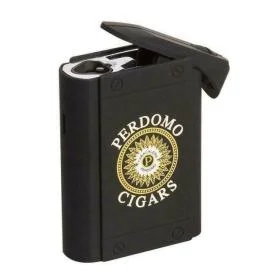
Best Torch Lighters for Cigars: A Buyer’s Guide
The best cigar lighter is not necessarily the one with the biggest flame or the most features. A good lighter should produce a steady flame, light the cigar evenly, work reliably when the fuel level drops, and feel controlled in your hand. For most cigar smokers, a butane Torch lighter is the most versatile choice because its concentrated flame makes it easier to toast and ignite tobacco without holding the cigar directly in the flame. The right model depends on your preferred cigar sizes, where you smoke, and whether you value portability, wind resistance, or a larger fuel capacity.
Why Use a Torch Lighter for Cigars
A cigar torch uses pressurized Butane to create a narrow blue flame that burns hotter and more consistently than the soft yellow flame of a traditional wick lighter. That focused heat is useful when toasting the foot of a cigar, especially outdoors or when the cigar has a wide ring gauge. It also makes it easier to correct an uneven light by applying heat to a small section rather than scorching the entire end.
The technique still matters. Hold the flame just below the tobacco rather than burying the cigar in it, and rotate the cigar slowly so the outer edge warms evenly. Once the foot begins to glow, take a few gentle draws while continuing to rotate it. This approach helps avoid a harsh, overly charred edge and gives you more control than waving a lighter quickly around the cigar.
Torch lighters are particularly practical in breezy conditions, but wind resistance is not the same as windproof performance. Strong gusts can still extinguish a flame, empty the fuel reservoir more quickly, or make precise lighting difficult. For indoor use, a single-flame design is often sufficient. For patios, golf courses, and other exposed settings, a protected burner and a reliable ignition mechanism may matter more than the maximum flame temperature.
Single-, Double-, and Triple-Flame Torch Options
A single-flame cigar torch produces one concentrated jet. It is usually the most fuel-efficient configuration and offers excellent precision for small and medium cigars. The narrower heat pattern also makes it easier to toast the foot gradually, which is useful for smokers who prefer a slow, controlled start. Single-flame models are often slimmer and lighter, making them convenient for a pocket or small travel case.
A double-flame torch produces two jets side by side, covering more of the cigar’s foot without becoming as broad as a triple flame. It is a strong middle-ground option for medium and larger ring gauges. The main trade-off is fuel consumption: two burners generally use more Butane per lighting, so the reservoir may need more frequent refilling than a comparable single-flame lighter.
A triple-flame lighter creates a broad, powerful heating area and can light large cigars quickly. It is useful when you regularly smoke thick ring gauges or need a faster light outdoors. However, the extra burners consume fuel quickly and can make it easier to overheat one section if you do not rotate the cigar. A triple flame is best treated as a high-output tool rather than the automatic choice for every cigar.
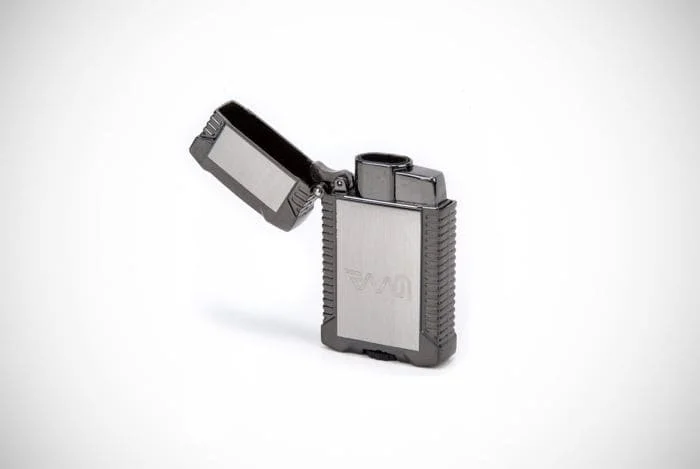
When comparing the three formats, consider flame control as well as speed. A lighter with an adjustable flame can make a double or triple burner more manageable, while a fixed high flame may feel excessive for smaller cigars. If your collection includes several sizes, a dependable double-flame model is often the most flexible compromise.
Choosing the Right Flame for Different Cigar Sizes
Small and narrow cigars generally pair well with a single flame. The focused jet can reach the edge of the foot without spreading too much heat across the wrapper. Use a low or moderate setting whenever possible, and take time to toast the tobacco rather than trying to ignite it instantly.
Medium ring gauges work well with either a single or double flame. Choose a single burner if you prioritize fuel efficiency and a gradual light. Choose a double burner if you smoke outdoors frequently or want to cover more of the foot with each pass. The best flame is one that reaches the tobacco evenly without forcing you to hold the lighter close for an extended period.
Large cigars can benefit from a double or triple flame, especially when their wide foot makes a single jet slow to use. Even with a larger burner setup, rotate the cigar and move the flame around the circumference. A broad flame should reduce the number of passes, not remove the need for an even lighting technique.
Fuel Quality, Flame Adjustment, and Refill Design
Use clean, high-quality Butane intended for refillable lighters. Lower-quality fuel can contain impurities that clog burner jets, cause inconsistent ignition, or leave the flame weaker over time. Before refilling, allow the lighter to cool completely, move it away from ignition sources, and follow the manufacturer’s instructions. Never refill a lighter while it is lit or warm.
A useful refillable design includes a visible fuel window or gauge, a recessed refill valve, and a flame-adjustment wheel that is easy to operate without accidentally changing settings. Search results for lighters butane refillable often combine very different products, so check whether the listing describes the lighter as refillable rather than assuming a removable or decorative base indicates a usable fuel system.
Purge the remaining air and fuel according to the manufacturer’s directions before refilling when the flame becomes erratic or the reservoir is empty. Refilling a pressurized lighter without clearing trapped air can lead to poor performance. After adding fuel, wait several minutes before ignition so the fuel can settle and the lighter can return to a safe operating temperature.
Features That Improve Cigar-Lighter Reliability
Recommended products
Use these catalog picks as a shortlist for best torch lighters for cigars: a buyer’s guide. Compare measurements, materials, and return terms side by side instead of buying from a photo alone.
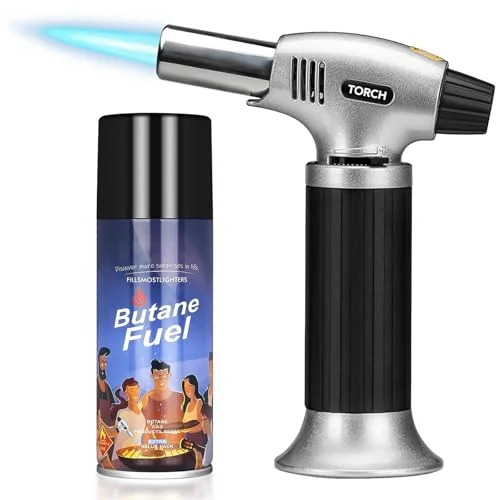

The most valuable features are practical ones. Look for a lock or safety mechanism that prevents accidental activation in a pocket, a hinged cap that keeps dust away from the burner, and a base that stays stable on a table. A fuel window is especially useful because a lighter can still produce a weak flame shortly before it runs out, creating uncertainty when you are away from a refill canister.
A piezoelectric ignition system is convenient because it does not require a separate spark wheel or match, but it still needs protection from moisture and debris. A strong lid hinge, a clearly marked adjustment control, and a burner guard can contribute more to long-term usability than decorative metalwork. If you plan to carry the lighter regularly, check its dimensions and weight as well as its appearance.
Some models include a cigar punch or a built-in cutter. These additions can be convenient, but they should not distract from the core requirements of a clean flame and dependable ignition. A cutter that is difficult to sharpen or a punch that adds bulk may be less useful than a simpler lighter paired with a separate, well-made cigar accessory.
Comparing the three catalog picks
When comparing the three catalog picks later on this page, weigh each model’s pros and cons against your routine rather than choosing solely by flame count. One may offer better portability and fuel efficiency, another may provide faster lighting for large cigars, and a third may have more convenient adjustment or refill features. Check the flame type, reservoir visibility, safety controls, dimensions, and stated warranty together; a powerful lighter is not a better choice if it is cumbersome or expensive to refill.
How Torch Lighters Compare With Everyday Utility Lighters
A basic BIC lighter can be useful for household tasks and may light a cigar in calm conditions, but its soft flame is more vulnerable to wind and usually requires holding the flame closer to the tobacco. It is also less precise for toasting a cigar’s foot. A cigar torch is designed around concentrated heat and controlled ignition, making it the better dedicated option for regular cigar use.
Scorch Torch is one example of the kind of name shoppers may encounter when comparing refillable torch models. As with any brand, evaluate the particular lighter rather than relying on the label alone. Burner configuration, adjustment range, refill access, warranty terms, and user-safety features can vary between models, even within the same brand family.
Final Buying Advice
For most users, a single-flame torch is the sensible choice for precision, portability, and lower fuel use. Choose a double flame if you want a flexible option for medium and large cigars, particularly outdoors. Select a triple flame when fast, broad coverage is a priority and you are comfortable with higher fuel consumption. Whichever design you choose, prioritize a stable flame, quality fuel compatibility, an accessible adjustment control, and a refill system that is easy to use safely. Those details determine whether a lighter remains dependable long after its finish stops looking new.
FAQ: Best Torch Lighters for Cigars: A Buyer’s Guide
What makes a torch lighter good for cigars?+
A good cigar torch lighter provides a steady, wind-resistant flame with an adjustable intensity, making it easier to toast and light the foot evenly. Look for reliable ignition, a comfortable grip, a visible fuel window, and a refillable design that uses quality butane.
Is a single-, double-, or triple-flame torch best for cigars?+
Single-flame torches offer precise control and work well for smaller cigars or careful edge lighting. Double- and triple-flame models cover more of the cigar foot and can light larger ring gauges faster, but they use more fuel and may produce more heat.
What flame type is best for different cigar sizes?+
A single flame is usually easiest to control on small or narrow cigars, while a double flame suits medium and larger ring gauges. Triple-flame lighters are useful for large cigars when you want faster, more even coverage, but they require extra care to avoid overheating the wrapper.
What type of butane should I use in a cigar torch lighter?+
Use clean, refined butane recommended by the lighter manufacturer to help reduce clogging and inconsistent flames. Before refilling, turn the flame adjustment down, empty the lighter if needed, and allow it to rest briefly after filling before relighting.
Which features make a cigar torch lighter more reliable?+
Useful features include a wind-resistant flame, piezo ignition, a safety lock or protective cap, an adjustable flame control, and a fuel-level window. A stable base, sturdy metal construction, and a wide ignition area can also make lighting easier at home or outdoors.