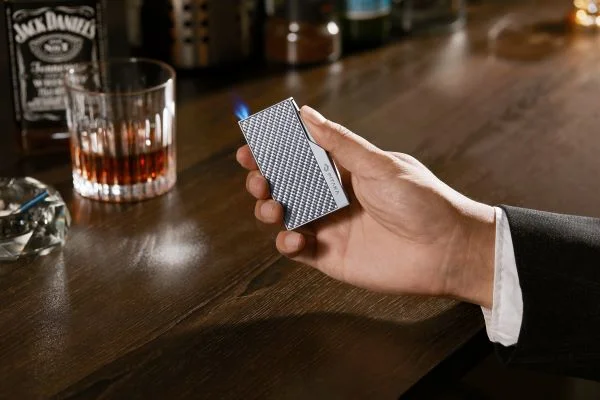
Why Choose a Refillable Lighter
Refillable lighters are designed for repeated use rather than disposal after the first fuel supply runs out. That makes them a practical choice for anyone who regularly needs a flame for candles, fireplaces, camping equipment, grills, or other household tasks. Instead of replacing the entire lighter, you replenish its fuel or recharge its battery, which can reduce waste and make a familiar tool more convenient over time.
The right model depends on how you carry and use it. A compact butane lighter is usually easy to keep in a pocket and produces a controlled flame. A liquid-fuel lighter can be simple to maintain and useful in a range of outdoor situations, although its fuel can evaporate when stored for long periods. Electric arc lighters avoid liquid fuel altogether and can be useful for candles or windy outdoor conditions, but they need charging and may not suit every task.
Long-term value also depends on construction and replacement supplies. Before buying, check whether the lighter uses a commonly available fuel, whether its flint, wick, gasket, or charging cable can be replaced, and whether the manufacturer provides clear care instructions. A low purchase price is less meaningful if the lighter is difficult to service or requires proprietary accessories.
Best Refillable Lighter Designs for Everyday Carry
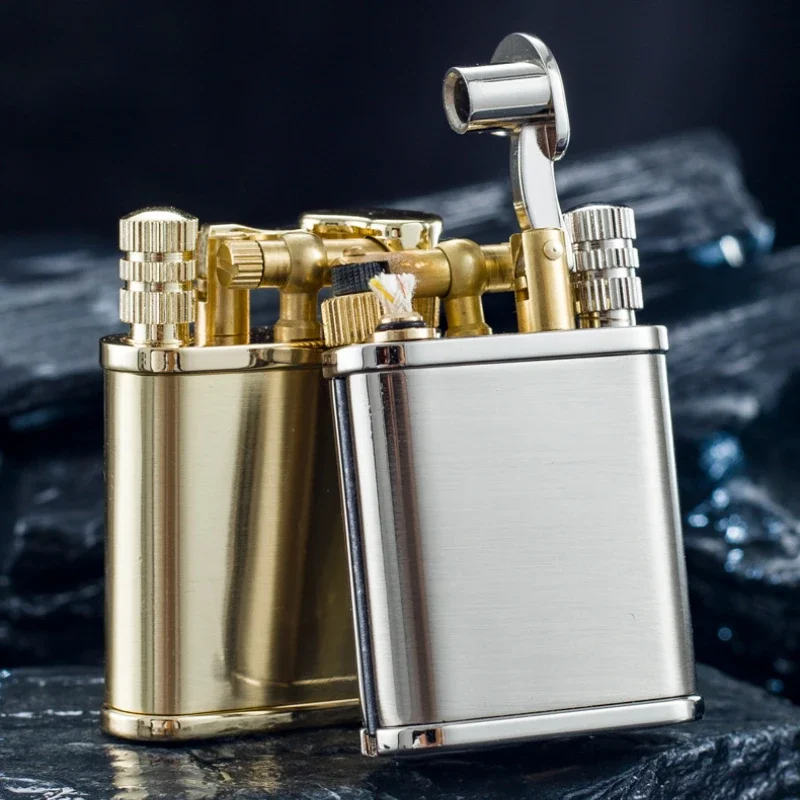
Traditional liquid-fuel lighters remain popular because they have a straightforward mechanical design. A hinged lid protects the wick when the lighter is closed, while a flint wheel creates the spark. These models can be satisfying to use and are often available in many case finishes. Their main limitation is fuel evaporation: even when the lighter is not used, the fuel may gradually dissipate, especially in warm conditions. That means a lighter can need topping up before it is actually empty.
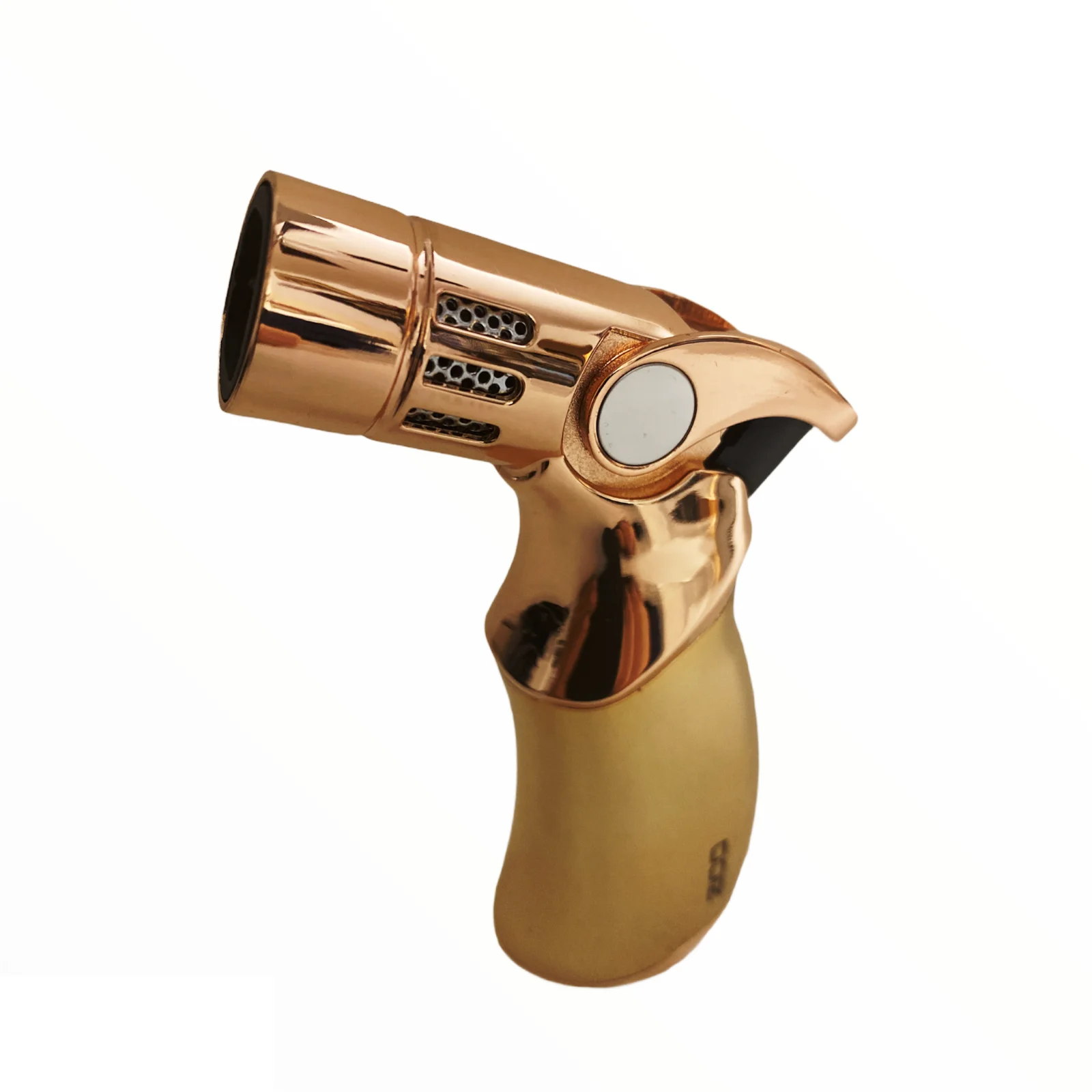
Butane lighters offer several useful flame styles. A soft-flame model is suitable for ordinary household lighting and often feels familiar in the hand. A torch-style flame burns hotter and can be less affected by a breeze, making it useful for outdoor tasks. A quad flame design uses multiple jets to create a broader, more forceful flame, but it generally consumes fuel faster and may produce more heat around the target area. This design is best for users who value quick ignition and wind resistance over maximum fuel economy.
Electric arc lighters create an electrical arc between two or more electrodes instead of burning liquid fuel. They are often convenient around candles because there is no open fuel reservoir to refill. Their rechargeable battery introduces a different maintenance routine: the lighter must be charged, the electrodes need to remain free of debris, and the unit may become unavailable if the battery is empty. Arc models also have a limited gap, so they are not ideal for every object or lighting situation.
When browsing lighters from brands such as Saberlight, BOLT Lighter®, and Eclipse, compare the actual design rather than relying only on appearance. Look for information about fuel type, ignition mechanism, weather resistance, charging or refill requirements, and replacement parts. A decorative finish can be appealing, but a secure lid, dependable ignition control, and comfortable grip matter more for everyday use.
Comparing Butane, Liquid Fuel, and Electric Models
Butane models are a strong all-purpose option for users who want a compact lighter with predictable refilling. Refined butane is typically sold in pressurized cans with different purity grades. Following the lighter manufacturer’s fuel guidance is important because impurities can clog small jets or make ignition inconsistent. Butane lighters are also sensitive to cold temperatures, so performance may drop when the fuel and lighter are very cold.
Best Everyday Carry Lighter for Survival – Bic or Zippo? MODS You Must See!
Liquid-fuel models are mechanically familiar and can be refilled with the appropriate lighter fuel. They are often easy to inspect and maintain because the wick and flint are accessible. However, the fuel smell may be noticeable, and an open flame should never be used near spilled fuel or stored fuel containers. A liquid-fuel lighter is a reasonable choice for people who appreciate a classic mechanism and do not mind occasional top-ups.
Electric models are appealing when avoiding fuel handling is a priority. They can be especially convenient for indoor use, and many include a safety switch or lid to reduce accidental activation. Their drawbacks include battery aging, charging time, and reduced usefulness if the arc cannot reach the item being lit. For regular outdoor use, check the product’s stated resistance to wind, moisture, and dust rather than assuming every arc lighter is weatherproof.
For the four catalog picks that may appear on this page, compare them by fuel system, ignition reliability, operating cost, maintenance needs, and intended use. One may offer lower refill costs, another may have a more wind-resistant flame, and a third may be easier to carry. Consider both the advantages and trade-offs instead of treating a single feature, such as a quad flame or rechargeable battery, as proof that one model is universally better.
Size, Durability, and Pocket-Friendly Features
A lighter intended for everyday carry should be compact enough to avoid becoming a nuisance. Check its height, width, thickness, and weight rather than judging size from photographs. Rounded edges are more comfortable in a pocket, while a pronounced clip or lanyard loop may be useful for attaching the lighter to a bag. A secure lid or lock also helps prevent accidental ignition when the lighter is carried with keys or other objects.
Durability is more than a metal exterior. Examine the hinge, fuel valve, ignition button, cap, and charging port because these are common stress points. A heavy case may feel substantial but can be uncomfortable for daily carry. Conversely, an ultralight plastic body may be perfectly practical for occasional use but less suitable for repeated drops or rough outdoor conditions. Water resistance should be treated as protection against incidental splashes, not permission to submerge the lighter, unless the manufacturer clearly states otherwise.
Finish and styling can influence the choice, particularly for gift buyers. A design such as zippo playboy may appeal to collectors or anyone who wants a more distinctive case, while a plain brushed or matte surface may show fewer fingerprints. Decorative details should not obscure the practical specifications: confirm that the lighter is refillable, identify the correct fuel, and check whether the mechanism is protected by a warranty or service policy.
Recommended products
Use these catalog picks as a shortlist for best refillable lighters for everyday carry and long-term use. Compare measurements, materials, and return terms side by side instead of buying from a photo alone.



Materials inside the lighter also deserve attention. A Fabric-wrapped element, case insert, or carry accessory may improve handling, but it can absorb fuel, moisture, or odors depending on its placement. Read the care instructions before cleaning or storing the lighter with clothing, leather goods, or sensitive surfaces. The best everyday-carry design is one that remains comfortable, protected, and easy to inspect.
Refill, Maintenance, and Safety Tips
Refill any lighter in a well-ventilated area away from flames, cigarettes, hot surfaces, and ignition sources. Allow the lighter to cool before servicing it, and follow the manufacturer’s instructions for the correct fuel or charging method. For butane models, emptying residual air from the reservoir may be required before refilling, but this should only be done as directed by the product instructions. Do not mix fuel types or use an unapproved substitute.
After refilling, wait several minutes before igniting the lighter so spilled or residual fuel can dissipate. Wipe the exterior clean and check for leaks, unusual odor, damaged seals, or inconsistent ignition. If a lighter leaks, becomes excessively hot, or behaves unpredictably, stop using it and keep it away from heat until it can be safely disposed of or professionally assessed. Never test for a leak with an open flame.
Keep wicks trimmed according to the manufacturer’s guidance, replace worn flints when applicable, and remove debris from jet openings with the recommended method. Do not insert sharp objects into a burner or arc assembly. Rechargeable models should use the supplied cable or an approved charger, and they should not be left charging in extreme heat. Store all lighters and fuel containers away from children, pets, direct sunlight, and vehicles that can become hot.
The best refillable lighter is the one whose fuel system, flame style, size, and maintenance demands match your routine. Choose liquid fuel for a classic mechanical experience, butane for versatile everyday performance, or electric ignition when rechargeable convenience fits your use. With proper storage and regular inspection, a well-chosen lighter can remain a dependable tool far longer than a disposable alternative.